National Treasure

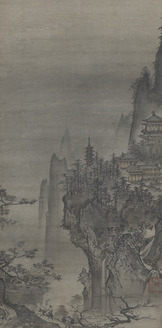
Autumn and Winter Landscapes
秋冬山水図
Paintings · Muromachi, 15th centuryTNM
Home › Browse › Paintings › Muromachi period › Birds and Flowers of the Four Seasons

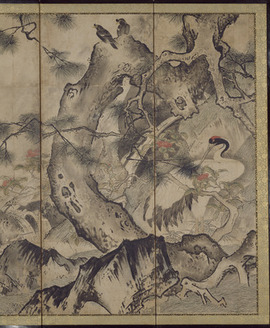
Scenes from spring to winter are depicted across the screens from right to left, while a variety of birds flit through the landscape. This painting is distinguished by the sense of vigor and vitality exuded by the birds. Take the crane as it cries out with head held high, for example, or the duck swooping down from the sky. These are drawn almost to scale and with a sense of solidity. They appear to be right there before the viewer. The secret to this immediacy lies in the way the background is depicted. Take a look at the left-hand screen. A series of overlapping hills is painted to the left, while water from the distant mountains has gradually developed into a gentle flow and reached the foreground at the bottom right. By infusing the background with a sense of depth, this landscape painting technique imbues the birds with a striking sense of presence.
The vegetation, thick with branches and leaves, also emits a strong life force. The depiction of birds amid this complex, interweaving landscape is a characteristic feature of Sesshu's bird and flower paintings. If you look closely, you can see birds hidden in the most unexpected places. It is now time for a quiz. How many birds are depicted in this painting? Answer: There are 8 birds on the right screen and 5 birds on the left. Nearly life-size plants and animals fill the composition, some bursting beyond its borders. This vitality contrasts with a hazy atmosphere that pervades the painting. The overall style is close to that of Sesshū, a Zen monk who studied painting in China and influenced generations of painters in Japan.
— Museum description: Tokyo National Museum (CC BY 4.0), via ColBase / Japan Search.