National Treasure

Tale of Flowering Fortunes
栄花物語
Calligraphy & Books · Kamakura, 1201–1300Kyushu NM
Home › Browse › Calligraphy & Books › Muromachi period › Album of Exemplary Ancient Documents
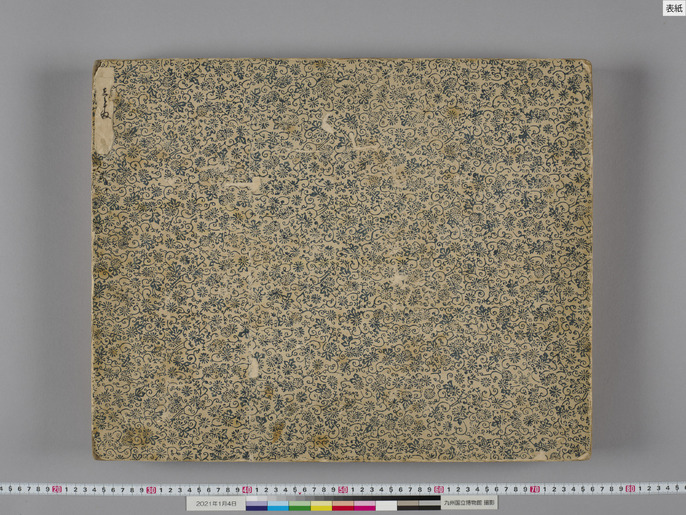
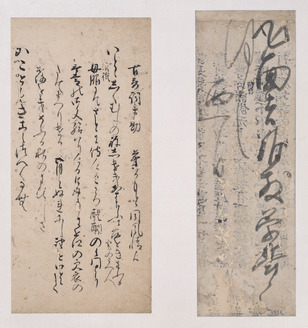
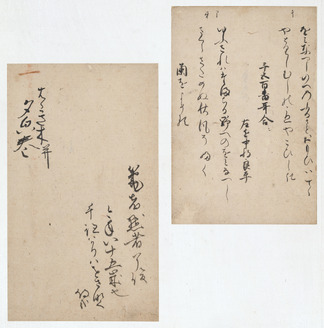
This 78-page album was compiled in the early 18th century by the Mōri clan, who ruled over the Chōfu domain (present-day Yamaguchi). Subsequently passed down through generations of the Mōri family, its contents are as follows: - 20 documents from 1223–1320, most of which were issued by the Kamakura shogunate; - 38 documents issued by the feudal Ōuchi clan, who were based in Chōfu from 1360 to 1553–57; - 12 works of calligraphy by Zen Buddhist monks from the 15th to the early 17th centuries; - 1 document issued by the Muromachi shogunate, dated 1337; - 1 renga (a Japanese poem written in linked verse) on kaishi (folded paper used in the tea ceremony) from the 13th century - 2 13th–16th century works attributed to Zhang Jizhi, a Chinese calligrapher from the Southern Song dynasty (1127–1279); - 1 document written by Joseon Tonginsa envoys to Japan, dated 1682; - 1 scroll segment of a renga poem from the late 16th to the early 17th century; - 1 scroll segment of calligraphy from about 1573–91; - 1 poem written on kaishi paper from 1471–90.
Some of the items included are significant to historical research. One is an official document issued by the regent to the Kamakura shogunate. It mentions the name of a Song-dynasty Chinese merchant, Xie Guoming, in a message relating to Oro no Shima, an island owned by Munakata Taisha Shrine in Fukuoka. Another document issued by the Kamakura shogunate ordered vassals with territories in Iwami (present-day Shimane) to go and defend the land during the first attempted Mongol invasion of Japan (1274). In addition, the 38 Ōuchi clan documents trace the line of succession of its daimyo from 1360 until its demise in 1557, making these invaluable as historical sources.
— Museum description: Kyushu National Museum (CC BY 4.0), via ColBase / Japan Search.