Important Cultural Property
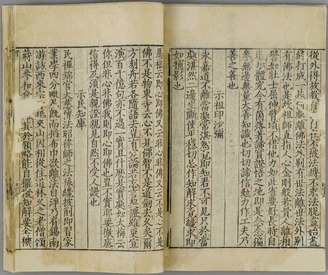
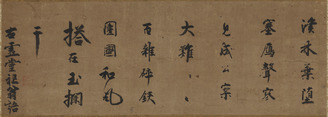
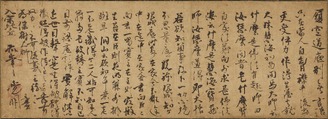
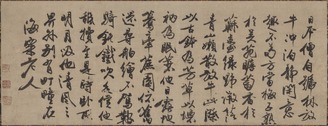
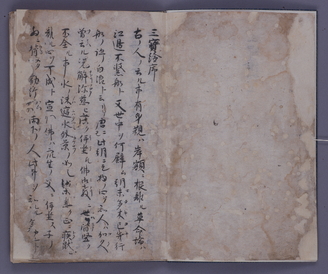
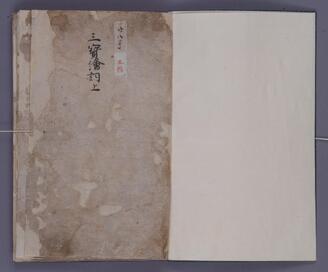
Teachings of Yuanwu (Song-dynasty edition)
宋版圜悟心要
Calligraphy & Books · Kamakura, 13th centuryKyushu NM
Home › Browse › Calligraphy & Books › Kamakura period › Tale of Flowering Fortunes
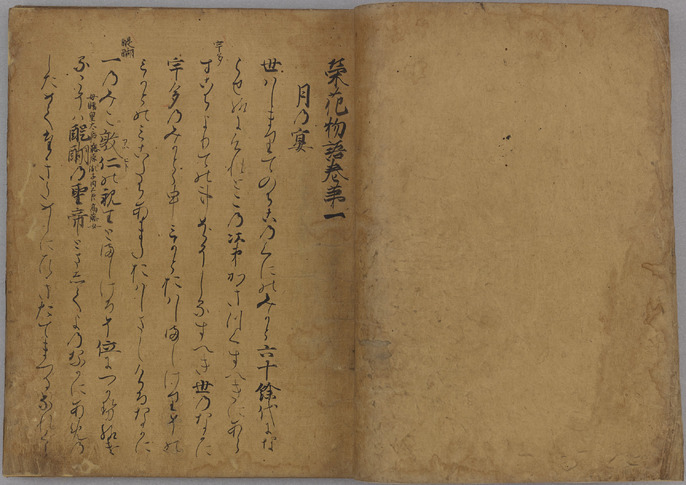
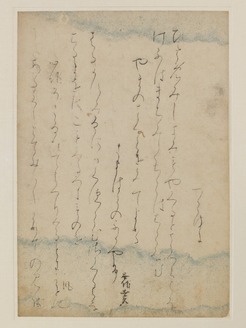
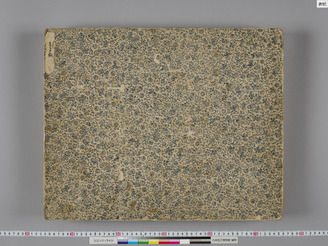
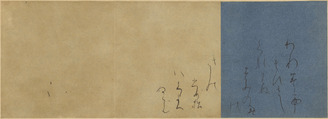
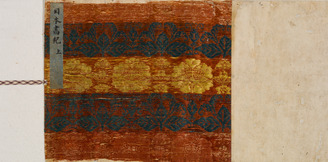
“Eiga Monogatari” is a historical novel which relates events from the reign of Emperor Uda (867–931) to that of Emperor Horikawa (1079–1107). The story was written in kana characters and comprises of 40 volumes (30 volumes in the first part and 10 volumes in the second part). The first part describes the life of Fujiwara no Michinaga (966–1027), a grandson of Fujiwara no Morosuke (908–60). Born to the influential family of a court noble, Michinaga exerted de facto reign over the Imperial Court by making his own daughters the empresses and making his own grandsons emperors. The second part describes events in the Imperial Court after Michinaga’s death. The first part is believed to be written by Akazome Emon (dates unknown), who was the wife of Ōe no Masahira (952–1012). She served Minamoto no Rinshi (964–1053), the wife of Fujiwara no Michinaga. The books in the Museum’s collection was passed down in the Sanjo-nishi family. The series comprises of 10 large-format books, each containing two volumes (volumes 1–20), and seven small-format ones, each containing 1–4 volumes (volumes 21–40).
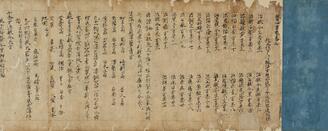
Neither the large nor small format books have postscripts indicating the transcription year. However, both are deduced to be transcribed during or before the mid-Kamakura period (1192–1333). They are prized the oldest existing manuscript. Moreover, there are many notes written between the lines. These notes indicated the backgrounds and dates of birth and death of the main characters, which helped readers to understand the story. In the diary of Sanjō-nishi Sanetaka (1455–1537), there are descriptions about the price of the 17 volumes of Eiga Monogatari (descriptions dated on November 4 and 8 in the sixth year of the Eishō era [1509]). These descriptions indicate that the series comprised of both the large and small format editions when they were purchased by the Sanjō-nishi family.
— Museum description: Kyushu National Museum (CC BY 4.0), via ColBase / Japan Search.