National Treasure
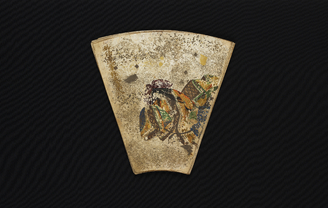
Bound Fan Papers with the Lotus Sutra
扇面法華経冊子
Paintings · Heian, 12th centuryTNM
Home › Browse › Paintings › Kamakura period › Red and White Cotton Roses
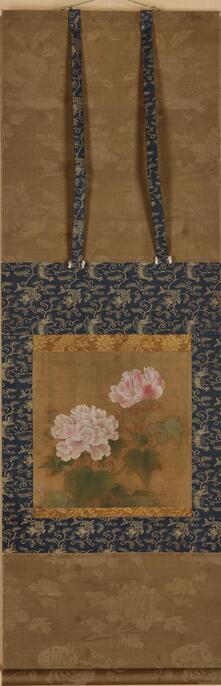
Because cotton roses bloom brilliantly, they were considered an auspicious symbol since ancient times. One particular variety of cotton roses blooms white in the morning, and slowly turns red over time. This gradual change is reminiscent of someone’s face becoming flushed from alcohol, a trait that earned the flowers the name “suifuyo,” or “drunk cotton roses.” In this work, the white blossoms show the flowers’ color in the morning, while the red blossoms show how they appear around noon. The two paintings reflect the passage of time. The growth of the flowers, from closed buds to blossoms, is also represented. Li Di was a court painter of the Southern Song dynasty. These paintings, inscribed as having been created in 1197, are some of his most famous works.
The petals are depicted softly, with a gradient of light color, and the leaves are drawn with stronger brushstrokes for the outline. The textures of the cotton roses reflect the outstanding technical skills of the artist. This work was brought to Japan in the 15th century, during the Muromachi period, and has been carefully preserved as a masterpiece of Chinese court painting in the bird-and-flower genre. The hibiscuses depicted here open their white flowers in the early morning, gradually turning red with time until they become scarlet. This set of paintings by the court painter Li Di is a rare example of a signed work from the 12th century.
— Museum description: Tokyo National Museum (CC BY 4.0), via ColBase / Japan Search.